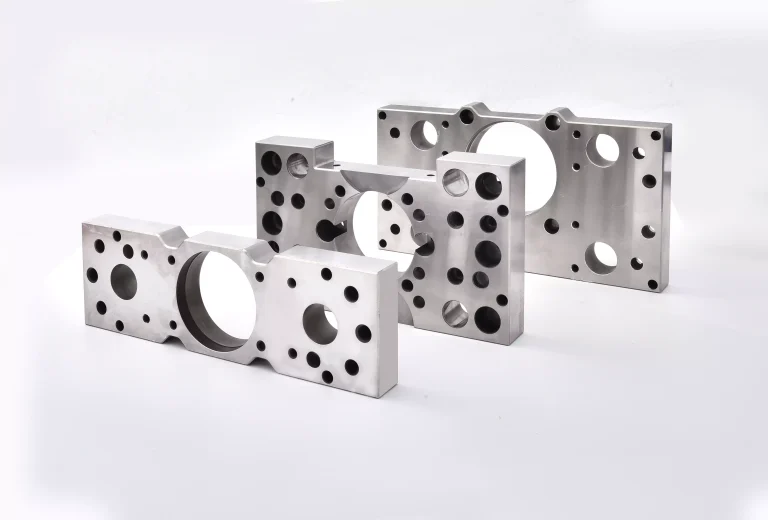
Metal Stamping Mold vs. Plastic Injection Mold

Metal Stamping Mold vs. Plastic Injection Mold

Metal stamping molds and injection molds are both used in manufacturing to shape materials into desired parts, The main difference between metal stamping molds and plastic injection molds lies in their purpose, materials processed, and the forming methods involved. Here’s a clear breakdown: Metal Stamping Mold Key Features: Plastic Injection Mold Key Features: Comparison Table Feature Metal…

What is metal stamping mold making

What is metal stamping mold making?

Metal stamping mold making refers to the process of designing and manufacturing the dies (tools) used in metal stamping. These molds are essential for shaping, cutting, bending, or forming sheet metal into precise components using a stamping press. The Process Includes: Application Areas: Why It Matters: Metal stamping molds are critical for high-speed, high-precision, and low-cost…

What is Injection Mold Making

What is Injection Mold Making?

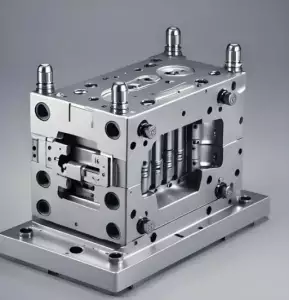
Injection mold making is the process of designing and manufacturing the mold (or tooling) used in injection molding, a manufacturing method for producing plastic parts in high volumes. Process Design: Firstly, according to the product’s shape, structure, and size requirements, designers use computer – aided design (CAD) software to create a 3D model of the mold. They…

G41 and G42 in CNC Turning

How to use G41 and G42 in CNC Turning?

G41 and G42 are crucial tool compensation codes in CNC machining, used for Tool Nose Radius Compensation (TNR). This function adjusts the toolpath based on the shape and size of the tool’s nose radius, ensuring that the actual machined dimensions match the programmed dimensions. Description In turning operations, the tool tip is rounded. Without compensation,…

What is CNC Turning

What is CNC Turning?

CNC turning is a precision machining process that uses computer-controlled lathes to remove material from rotating workpieces, aiming to produce cylindrical or conical parts with high dimensional accuracy and smooth surface finishes. This process is an indispensable component of many industries, including automotive, aerospace, medical devices, and consumer goods. Table of Contents How CNC Turning…

What is CNC Milling and Turning?

What is CNC Milling and Turning?

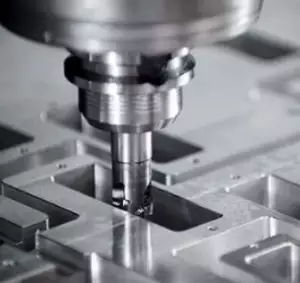
CNC (Computer Numerical Control) machining is an automated manufacturing process that uses computer-controlled tools to produce precise components. Among the most widely used types of CNC machining are CNC milling and CNC turning. Both processes are crucial for producing high-precision parts, but they differ in how they work and the types of parts they create….

1.2990 Material Detailed Information

1.2990 Material Detailed Information

1.2990 is a high-carbon, high-alloy tool steel that belongs to the cold work die steel category. It is known for its excellent wear resistance, high hardness, and strength. Due to its robust mechanical properties, 1.2990 is used for high-performance tooling applications that require exceptional durability and wear resistance. It is primarily used in the manufacturing…

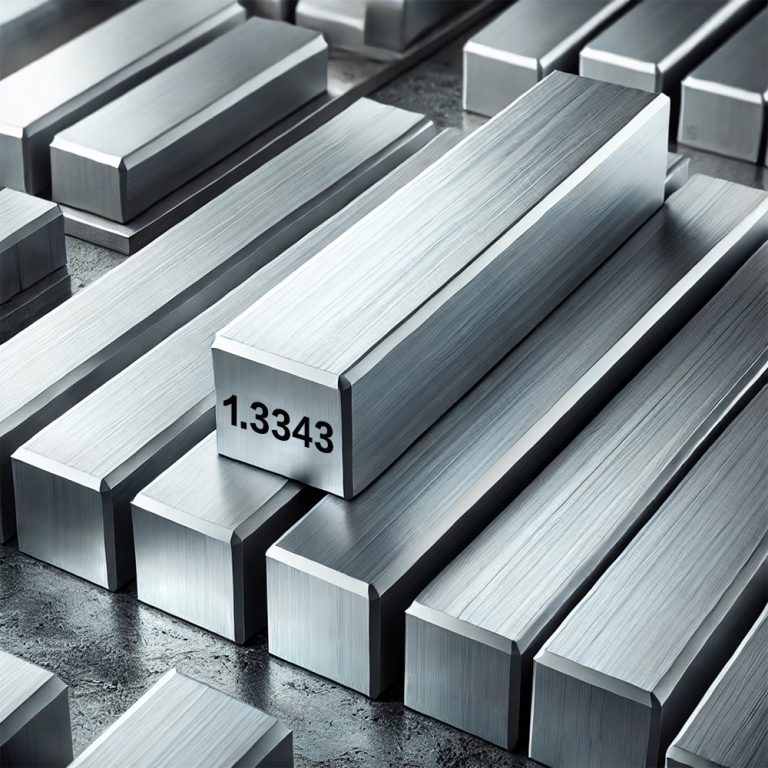
1.3343 High-Speed Steel (HSS) Detailed Information

1.3343 High-Speed Steel (HSS) Detailed Information

1.3343 is a tungsten-molybdenum high-speed steel (HSS), equivalent to AISI M2 and JIS SKH51. It is one of the most commonly used high-speed steels, known for its high hardness, excellent wear resistance, and good toughness. This material is widely used in cutting tools, punches, drills, milling cutters, and cold work applications. Key Features High Hardness & Wear…

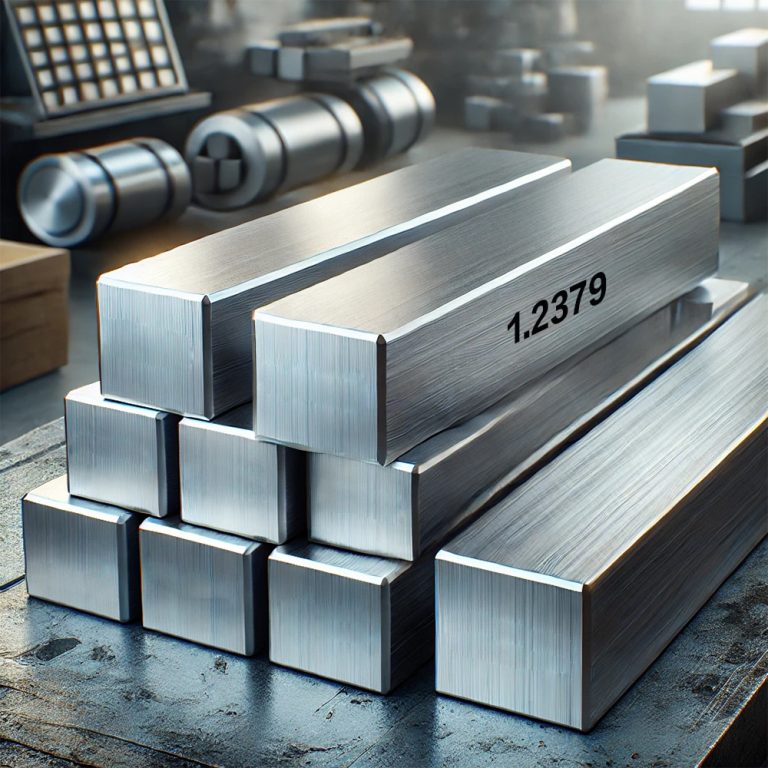
1.2379 Tool Steel Detailed Information

1.2379 Tool Steel Detailed Information

1.2379 is a high-carbon, high-chromium cold work tool steel, also known as X153CrMoV12 under the DIN standard. It is equivalent to AISI D2 and JIS SKD11. This steel is widely used for cutting tools, stamping dies, and wear-resistant components due to its excellent hardness, wear resistance, and toughness. Key Features High Wear Resistance Good Toughness & Strength High Hardness…

End of content

End of content